
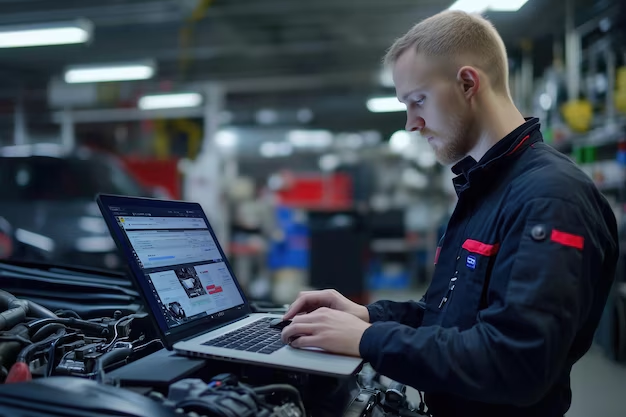
Diesel DPF Regen & DEF Warnings: What the Lights Mean (Before the Truck Derates)
Driving a diesel vehicle comes with its unique set of challenges and responsibilities. If you’ve ever been puzzled by the array of warning lights that can suddenly illuminate on your dashboard, you’re not alone. Particularly, the Diesel Particulate Filter (DPF) and Diesel Exhaust Fluid (DEF) systems can be a source of confusion for many drivers. Understanding these warnings is crucial, especially before your truck begins to derate and reduce engine power. In this guide, we’ll unravel what these warnings mean, how to address them, and how to keep your vehicle running smoothly.
Understanding the Diesel Particulate Filter (DPF)
The Diesel Particulate Filter (DPF) is an essential component in modern diesel engines. It plays a vital role in reducing emissions by trapping soot and other particulates from the exhaust gas. This not only helps in meeting stringent environmental regulations but also enhances the overall performance of the vehicle.
What is DPF Regeneration?
DPF regeneration is the process of burning off the accumulated soot within the filter. This can occur passively during normal driving conditions or actively, when the engine management system initiates the process. It’s crucial to ensure this process happens regularly to prevent blockages. For instance, consider a long-haul trucker driving from Phoenix to Los Angeles. During such a trip, passive regeneration may naturally occur due to the high temperatures reached during sustained highway driving. However, city driving often lacks these conditions, necessitating active regeneration.
To avoid future blockages, regularly drive your vehicle on highways to facilitate passive regeneration. Additionally, consider using quality diesel fuel and additives that promote cleaner combustion.
The Role of Diesel Exhaust Fluid (DEF)
Diesel Exhaust Fluid is used in Selective Catalytic Reduction (SCR) systems to reduce NOx emissions. The DEF is injected into the exhaust stream where it reacts with the NOx gases to convert them into nitrogen and water. This chemical reaction is vital for keeping emissions within legal limits and maintaining engine efficiency.
Understanding DEF Quality and Levels
Monitoring the quality and level of DEF is critical. Poor quality DEF or low levels can trigger warning lights. Regularly check the DEF tank and use only high-quality fluid to avoid potential issues. Imagine driving through a remote area and suddenly getting a DEF warning light; without a nearby service station, you risk derating.
DEF quality and levels are paramount because low-quality DEF might contain impurities that can damage the SCR system. Regularly purchasing DEF in bulk from reputable suppliers can reduce costs.
To prevent DEF issues, store it in a cool, dry place, and always check expiration dates. A simple habit of checking your DEF level every time you refuel can prevent unexpected alerts.
DEF Warning Lights: What Do They Indicate?
When a DEF warning light appears, it could mean the fluid is low, the quality is poor, or there’s a fault in the system. Address these warnings promptly to avoid engine derate or more serious engine issues. For example, a fleet manager might notice frequent DEF warnings in their trucks, indicating a possible supplier issue with DEF quality.
Neglecting DEF warnings can lead to a programmed speed limit, potentially stranding a vehicle far from home. Investing in regular DEF checks and quality sensors can mitigate these risks.
Forced Regeneration: When and Why It’s Necessary
Forced regeneration is a manual process initiated by a service technician to clear a blocked DPF. This is necessary when normal regeneration processes fail, often due to excessive soot accumulation.
When to Consider Forced Regeneration
If your DPF warning light remains on despite long drives or if the vehicle enters limp mode, it might be time for a forced regen. Consult with a professional mechanic to assess the situation. Picture a delivery truck unable to complete its route due to a persistent DPF warning, leading to delayed shipments and customer dissatisfaction.
The cost of a forced regeneration can be a worthwhile investment to avoid the more significant expense of replacing the DPF. This highlights the importance of addressing the issue promptly.
The Process of Forced Regeneration
During forced regeneration, the engine is run at high temperatures to burn off the soot. This process can take up to an hour and is typically done at a service center like 360 Automotive. While inconvenient, this procedure restores engine performance and complies with emission standards.
To minimize the need for forced regeneration, adhere to scheduled maintenance and consider a professional DPF cleaning at regular intervals.
Diesel Derate: What It Means for Your Vehicle
Diesel derate refers to the reduction in engine power to protect the engine and emissions system when a fault is detected. It’s crucial to understand the implications to prevent breakdowns. A derate can leave a vehicle stranded on the side of the road, far from help, affecting schedules and causing frustration.
Causes of Diesel Derate
Common triggers include unresolved DPF and DEF warnings, poor-quality DEF, and sensor failures. The derate is a protective measure, but it can be inconvenient and dangerous if not addressed promptly. For example, a logistics company could face substantial delays if a single truck derates unexpectedly.
The cost of addressing these issues early is minimal compared to potential losses in business or the cost of emergency repairs.
Avoiding Diesel Derate with Regular Maintenance
Regular maintenance and prompt attention to warning lights are your best defenses against diesel derate. Keep up with service schedules and consult a professional at the first sign of trouble. Simple practices, such as regular oil changes and air filter inspections, can save significant time and money down the road.
Diesel Particulate Filter Cleaning: Keeping Your DPF Healthy
Regular cleaning and maintenance of your DPF can prevent blockages and extend its lifespan. This maintenance is not just about compliance but also about ensuring the longevity and efficiency of your vehicle.
Methods of DPF Cleaning
There are various methods for cleaning a DPF, including manual removal and cleaning, chemical cleaning, and on-vehicle cleaning systems. Each has its pros and cons, and a professional can help determine the best method for your vehicle. For instance, a heavy-duty truck might benefit from a thorough manual cleaning, while a smaller vehicle could rely on chemical cleaning.
Benefits of Regular DPF Cleaning
Regular cleaning reduces the risk of blockages, improves fuel efficiency, and prolongs the life of the filter. It also ensures your vehicle remains compliant with emissions regulations. A clean DPF contributes to smoother rides and fewer unplanned service stops.
Incorporating regular DPF checks into your vehicle’s maintenance schedule is a proactive step toward avoiding costly repairs and downtime.
Recognizing DEF Quality Sensor Symptoms
The DEF quality sensor monitors the concentration of the fluid. Faults can lead to incorrect readings and unnecessary warnings. Understanding these symptoms can save time and prevent unnecessary stress.
Common Symptoms of DEF Quality Sensor Issues
Symptoms include frequent warning lights, unexpected derate, and messages indicating poor DEF quality. These can be frustrating but are typically resolved by sensor replacement or recalibration. Imagine a fleet manager receiving constant alerts about DEF issues, potentially leading to costly service calls and downtime.
Addressing sensor issues promptly can prevent more significant problems, and the cost of replacing a sensor is relatively low compared to the potential losses from vehicle downtime.
Addressing DEF Quality Sensor Problems
If you suspect a DEF quality sensor issue, have it checked by a professional. Ignoring these symptoms can lead to more serious problems down the line. Regular sensor checks and maintenance can ensure that your DEF system operates correctly and efficiently.
By understanding these systems and taking preventive measures, you can avoid costly repairs and keep your diesel vehicle running efficiently. If you’re in Cottonwood, AZ, and need expert diesel repair, reach out to 360 Automotive. Our team is ready to help with all your diesel needs. Don’t wait until your truck derates—contact us today for a comprehensive check-up and keep your vehicle in top shape.