
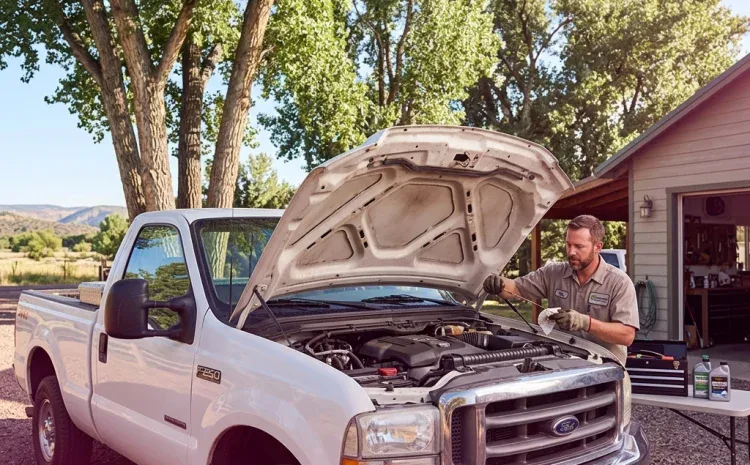
Light Duty Diesel Maintenance 101: A Cottonwood Work Truck Owner’s Guide to Avoiding Breakdowns
Few things feel more overwhelming than watching your work truck get loaded onto a flatbed while you have a full schedule of jobs waiting in Cornville or Clarkdale. When your truck is your livelihood, a breakdown isn’t just an inconvenience, it’s a direct hit to your bottom line.
If you own a light duty diesel, like a Ford Powerstroke, Chevy Duramax, or Ram Cummins, you already know these machines are built differently. They’re designed for torque, towing, and long-term durability. However, that extra power comes with a specific set of maintenance needs that, if ignored, can lead to repair bills that make your eyes water.
It can feel overwhelming fast when you hear conflicting advice about “bulletproofing” or special additives.
At 360 Automotive, we have these conversations every week with local business owners. Our goal is to simplify that complexity. We want to move you from reactive repairs, fixing things only when they break, to proactive maintenance that keeps your truck on the road.
Why Diesel Maintenance is a Different Beast
Understanding why your diesel needs special attention is the first step toward avoiding the shop. Unlike gasoline engines, diesels rely on extreme compression and high-pressure fuel systems to get the job done.
This means everything inside the engine is under more stress. The heat is higher, the pressures are greater, and the tolerances are tighter. Because of this, small issues that a gas engine might “tolerate” for a few months can catastrophicly fail a diesel engine in a matter of days.
The good news is that these engines are designed to be serviced. They are built to last 300,000 miles or more, but they won’t get there on luck alone.
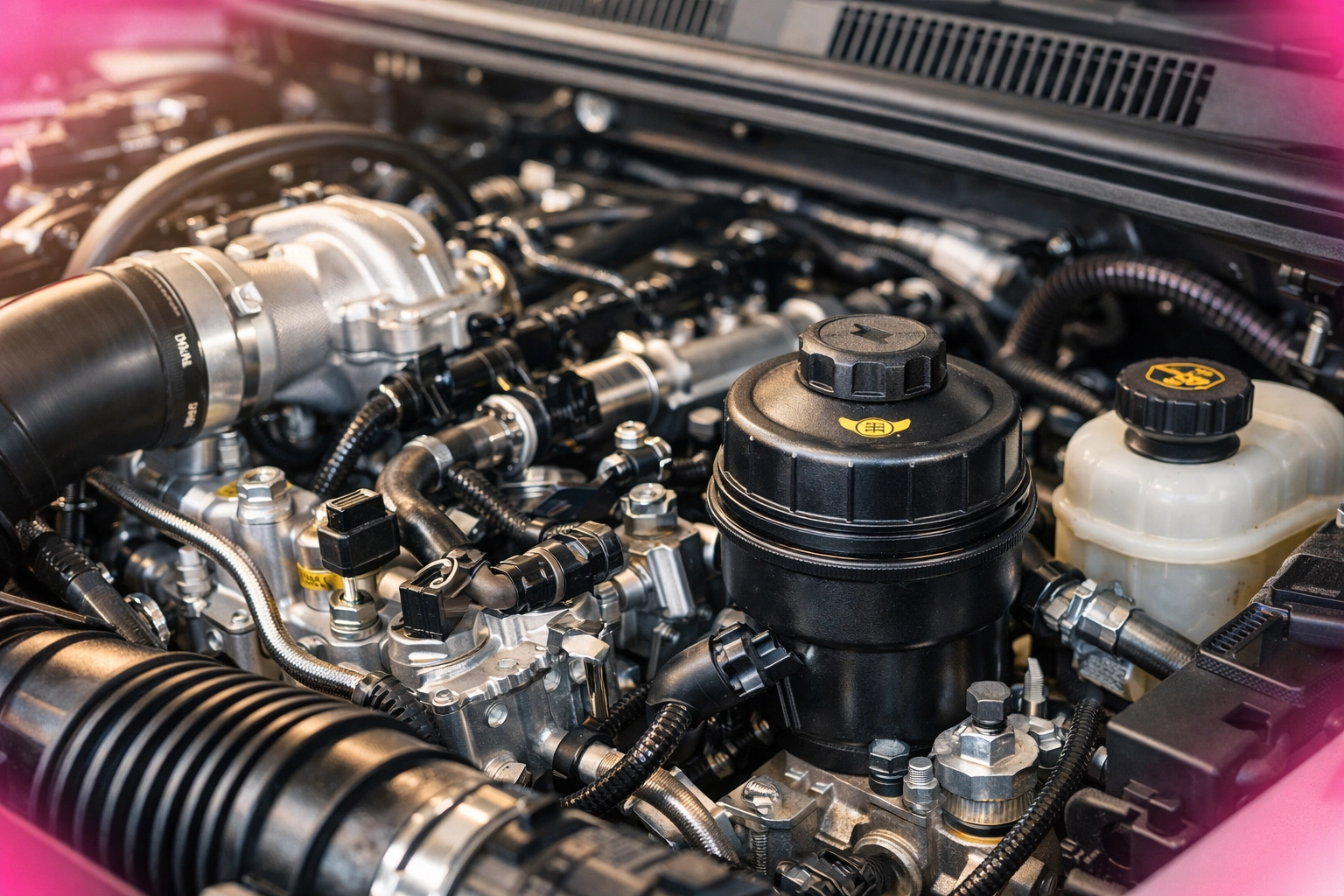
The Lifeblood: Oil Changes and Why They Can’t Wait
Many drivers ask if they can push their oil changes just a little further, especially when they’re busy moving equipment across Cottonwood. In a light duty diesel, the answer is a firm “no.”
Diesel oil doesn’t just lubricate; it also has to deal with high levels of soot. Soot is a natural byproduct of diesel combustion. While modern oils are designed to hold that soot in suspension, they have a breaking point. Once the oil is saturated, that soot begins to act like sandpaper on your engine’s internal components.
For most light duty diesels working in the Arizona heat, we recommend an oil and filter change every 5,000 to 7,000 miles.
If you are frequently towing heavy trailers up the grades toward Jerome or Prescott, you are putting extra heat into that oil. Heat breaks down the chemical additives that protect your bearings. Using a high-quality, diesel-specific synthetic oil is one of the best ways to protect your second-largest investment.
The Fuel System: Your Truck’s Greatest Vulnerability
If you’re looking for the most common cause of diesel repair Cottonwood AZ, you’ll find it in the fuel system.
Modern diesel injectors operate at pressures that are hard to wrap your head around: sometimes exceeding 30,000 PSI. At those pressures, even a microscopic speck of dirt or a tiny drop of water acts like a bullet. It can erode injector tips, ruin fuel pumps, and leave you stranded.
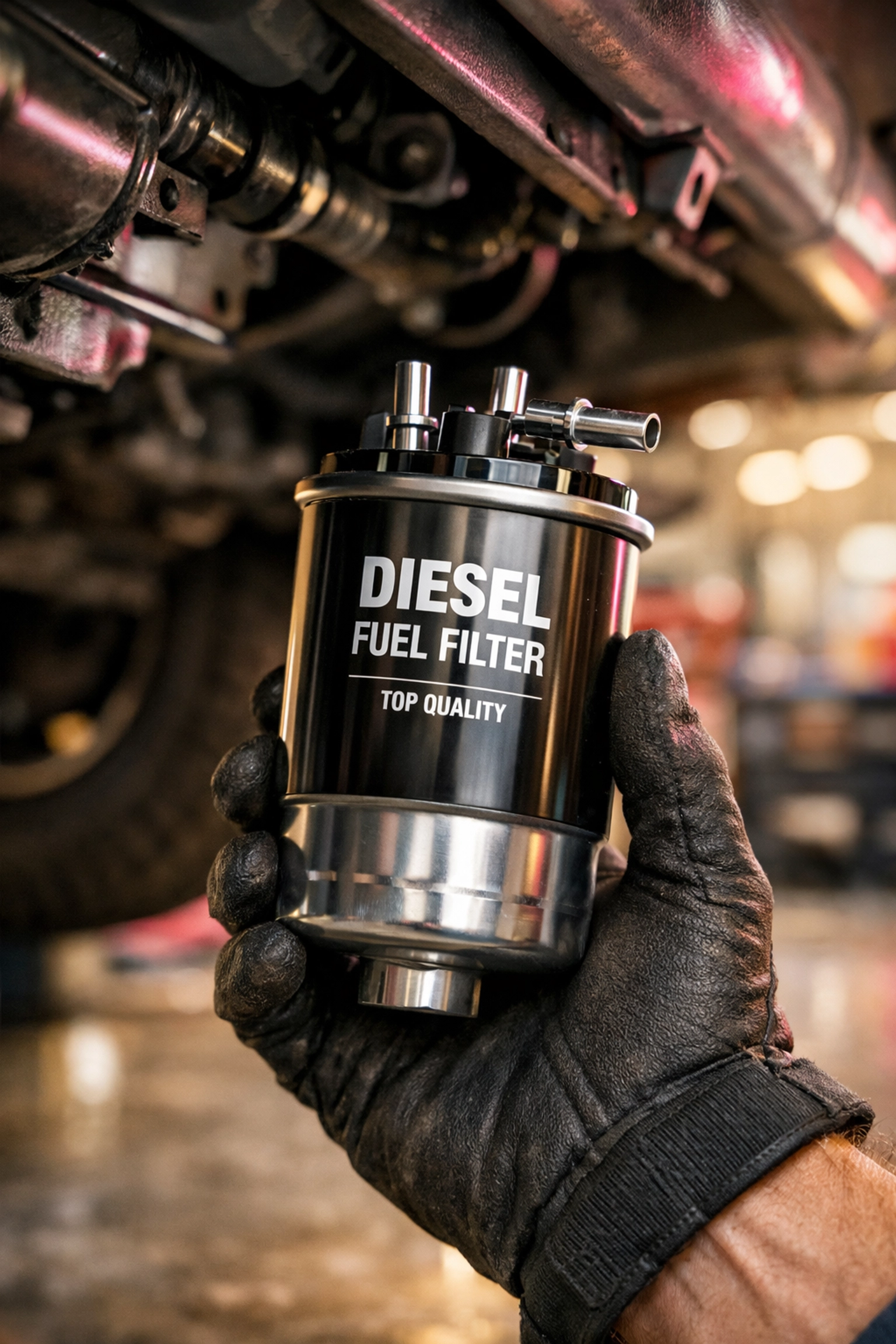
Fuel Filter Intervals
Most work trucks have two fuel filters. These should generally be replaced every 10,000 to 15,000 miles. If you’re filling up at high-volume stations in town, you’re usually safe, but dirt and water can find their way into any tank.
The Water Separator
Many owners forget to drain their water separators. Diesel fuel naturally attracts moisture. Your truck is equipped with a separator to catch this water before it hits the engine. We recommend checking and draining this regularly: especially during our monsoon season when humidity levels spike.
Keeping Your Cool in the Arizona Heat
Diesel engines generate a massive amount of heat, especially when they are under load. Your cooling system is the only thing standing between a productive workday and a melted head gasket.
Cottonwood drivers face a unique challenge: climbing elevations in high ambient temperatures. This puts a massive strain on your radiator, water pump, and coolant.
We often see “mystery” overheating issues that stem from old coolant. Over time, the protective additives in your coolant break down, leading to internal corrosion. This corrosion can clog the tiny passages in your radiator or oil cooler.
A periodic cooling system flush isn’t just a “suggestion”: it’s a safeguard against a multi-thousand-dollar engine failure. While you’re at it, we always check your hoses and belts. A $50 belt snap can cause an immediate overheat that ruins an engine before you can even pull over to the side of 89A.
Air Filters: Letting Your Engine Breathe
A diesel engine is essentially a giant air pump. To produce that signature torque, it needs to gulp down massive amounts of clean air.
If your air filter is clogged with the red dust we’re so familiar with in the Verde Valley, your turbocharger has to work twice as hard to pull air in. This leads to higher exhaust gas temperatures (EGTs), reduced fuel economy, and a noticeable loss of power.
Check your air filter every 12,000 miles. If you spend a lot of time on dirt job sites in Cornville or ranch roads in Clarkdale, you might need to swap it even sooner. It’s a simple, low-cost way to prevent general auto repairs down the road.
The “Work” Part of the Work Truck: Brakes and Suspension
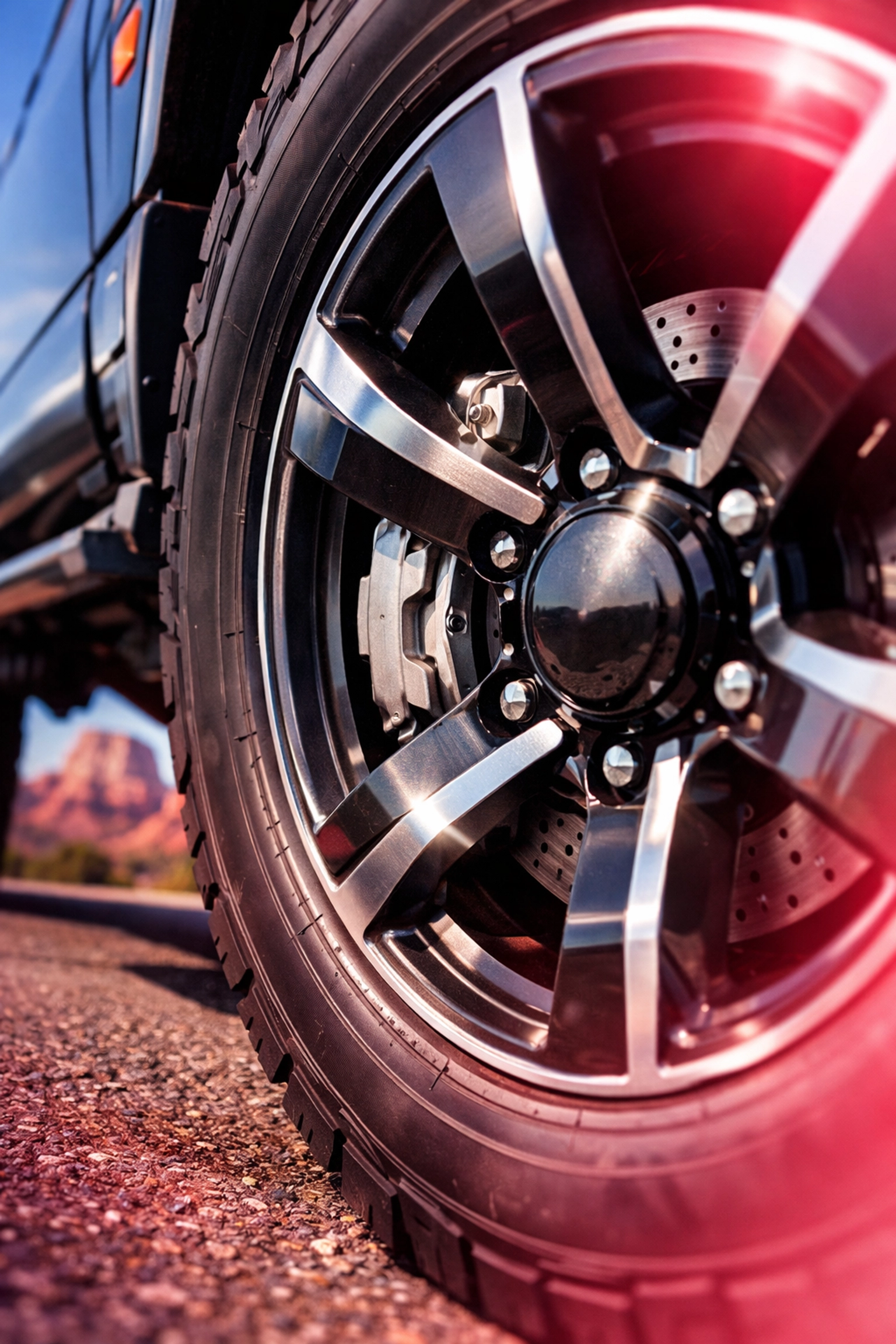
Maintenance isn’t just about what’s under the hood. For a work truck, the brake repairs and suspension components are just as critical.
Towing and hauling put incredible stress on your stopping power. We frequently see work trucks with warped rotors or glazed pads because they’ve been pushed to their limit on the local mountain descents.
If you hear a squeal or feel a vibration in the steering wheel when you hit the brakes, don’t wait. Catching a brake issue early often means we can simply replace pads. Waiting usually means replacing expensive rotors and potentially calipers too.
The 360 Automotive Difference: Local Expertise
We know that finding a shop you trust for diesel repair in Cottonwood, AZ can be intimidating. Many shops claim they do diesel, but few have the specialized tools and training to do it right.
360 Automotive is a locally owned, female-owned shop that treats our community like family. We’ve built our reputation on honest advice, fair pricing, and quality workmanship. Our ASE-certified technicians handle over 2,000 vehicles annually, and we understand the specific needs of the light duty diesel community.
When you bring your work truck to us, we aren’t just looking for a quick fix. We’re looking to build a partnership that keeps your business running. We provide a digital inspection with every service, so you can see exactly what our technicians see: no guesswork, no pressure.
Your Maintenance Checklist for Peace of Mind
To help you avoid those costly comebacks and unexpected breakdowns, here is a simple “Light Duty Diesel 101” schedule:
- Every 5,000–7,000 Miles: Change oil and oil filter. Inspect all fluids.
- Every 10,000–15,000 Miles: Replace both fuel filters and the air filter.
- Every 30,000 Miles: Service the transmission and cooling system.
- Monthly: Check tire pressures (including the spare!) and drain your water separator.
- Before Summer: Have your AC system and cooling fans inspected to ensure you’re ready for the 100-degree days.
Reliability isn’t a matter of luck. It’s a matter of routine.
The key is understanding that your truck is an investment. By spending a little bit on maintenance now, you are saving yourself from the massive expense and lost wages of a major breakdown later.
Don’t Wait for the Warning Light
If you’ve noticed your truck is starting a bit slower in the morning, or if you’ve seen a drop in your MPG, your truck is trying to tell you something.
At 360 Automotive, we’re here to help you navigate those signs before they turn into a crisis. Whether you’re coming from Clarkdale, Cornville, or right here in Cottonwood, we’ll walk you through exactly what your truck needs to stay on the job.
Let’s keep your work truck working.