
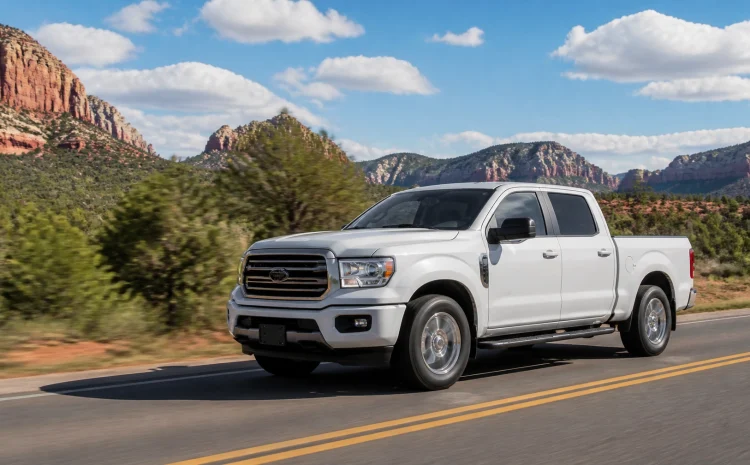
Is Your Truck Ready for the Haul? Diesel Repair & Maintenance Tips for the Verde Valley
There is a specific kind of stress that only a truck owner understands. It usually happens right when you’re pulling a heavy trailer up a steep grade on the way out of the Verde Valley. Maybe you’re heading toward Flagstaff, or perhaps you’re navigating the winding roads near Jerome. Your eyes are glued to the temperature gauge, your ears are tuned to every whistle of the turbo, and you’re silently praying that your truck handles the load as well as the brochure promised it would.
For many of us in Cottonwood, Cornville, and Clarkdale, our diesel trucks aren’t just vehicles; they are tools, investments, and sometimes our livelihoods. Whether you’re hauling a horse trailer, a toy hauler, or a flatbed full of equipment, you rely on that diesel engine to provide the torque and durability that a gas engine just can’t match.
But here is the reality: Arizona is tough on diesels. The combination of intense summer heat, dusty desert roads, and significant elevation changes creates a “perfect storm” for mechanical wear. If you’re waiting for a warning light to tell you something is wrong, you might already be too late.
At 360 Automotive, we see the results of the “wait and see” approach every week. From clogged fuel filters to overheated transmissions, most diesel breakdowns are entirely preventable. If you want to ensure your rig is actually ready for the haul, here are the essential maintenance tips and diesel repair Cottonwood AZ insights you need to keep your truck on the road.
The “Severe Service” Reality of the Verde Valley
The first mistake many truck owners make is following the “Normal” maintenance schedule found in their owner’s manual. In most manuals, “Normal” driving assumes flat terrain, moderate temperatures, and no heavy loads.
Does that sound like Cottonwood to you? Probably not.
If you are towing or hauling in the Verde Valley, you are operating under Severe Service conditions. This means your oil breaks down faster, your filters clog sooner, and your cooling system has to work twice as hard. For light-duty diesels like the Duramax, PowerStroke, or Cummins, we recommend shortening your service intervals.
Instead of waiting for the truck’s computer to hit 0% oil life, many of our local high-mileage drivers find that changing the engine oil and filter every 5,000 miles is the sweet spot for longevity. This prevents the soot and heat from degrading the oil’s ability to protect those expensive internal engine components. You can learn more about why these intervals matter in our guide to oil changes in Cottonwood.
The Fuel System: Your Diesel’s Lifeline
If the engine is the heart of your truck, the fuel system is its lifeblood. Modern diesel engines use high-pressure common rail systems that operate at incredibly high pressures, sometimes over 30,000 PSI. Under these pressures, even a tiny amount of dirt or a single drop of water can cause catastrophic damage to your injectors or the high-pressure fuel pump.
Most light-duty diesel pickups, especially newer models, feature a primary and a secondary fuel filter.
- The Primary Filter: Usually located near the fuel tank, this filter often doubles as a water separator. Its job is to catch the “big” stuff and keep water out of the engine.
- The Secondary Filter: Located under the hood, this filter catches the microscopic particles that could ruin an injector.
When you’re hauling heavy, your engine is demanding more fuel. If those filters are even partially restricted, your pump has to work harder, and your engine may lose power right when you need it most. We recommend replacing both fuel filters every 10,000 to 15,000 miles. If you frequently fill up at smaller, rural stations where fuel turnover is low, you might want to lean toward the 10,000-mile mark.
Don’t forget to drain your water separator monthly! It only takes a minute, but it can save you thousands in fuel system repairs. For a deeper look at protecting your work truck, check out our light-duty diesel maintenance 101 guide.
Keeping Your Cool in the Arizona Heat
Diesel engines naturally run hotter than gasoline engines. When you add a 10,000-pound trailer and a 100-degree Arizona afternoon into the mix, your cooling system is pushed to its absolute limit.
It isn’t just about the radiator. Your truck has several “coolers” stacked in the front, the radiator, the AC condenser, the transmission cooler, and the charge air cooler (intercooler). In the Verde Valley, these can quickly become packed with dust, bugs, and debris, which kills the airflow.
Before the summer hauling season hits, it’s a good idea to have your cooling system professionally inspected. We look for:
- Coolant pH levels: Coolant can become acidic over time, which “eats” your engine from the inside out.
- Hose integrity: High heat causes rubber to become brittle. A blown radiator hose on I-17 is a nightmare you don’t want to live.
- Fan clutch operation: If your cooling fan isn’t engaging properly, your engine will overheat within minutes of starting a climb.
Emissions Systems: The Silent Performance Killer
If you drive a diesel made after 2007, you’re well-aware of the DPF (Diesel Particulate Filter) and DEF (Diesel Exhaust Fluid) systems. These systems are great for the environment, but they can be a headache for the owner if they aren’t maintained.
The biggest enemy of a modern diesel emissions system is excessive idling. When a diesel idles for long periods, it doesn’t get hot enough to burn off the soot, which then clogs the DPF. When you’re hauling, your engine usually stays hot enough to keep the system clean, but if you’re using your truck for short trips around Cottonwood between hauls, you might run into issues.
If you see a “Regen Required” or “Exhaust Filter Full” message, don’t ignore it. Continuing to drive with a clogged filter can put your truck into “limp mode,” where the engine loses almost all its power to protect itself. We’ve put together a specific resource on DPF regeneration and DEF warnings to help you navigate these often-confusing dashboard lights.
Stopping the Load: Brakes and Transmission
Maintenance for a haul-ready truck goes far beyond the engine bay. If you can’t stop the load, or if your transmission can’t move it, the engine’s power doesn’t matter.
Transmission Care
Towing generates massive amounts of heat inside your transmission. This heat causes the transmission fluid to oxidize and lose its lubricating properties. If you tow regularly, you should consider changing your transmission fluid and filters more frequently than the factory suggests. Fresh fluid is much cheaper than a transmission rebuild.
Brake Inspections
When you’re descending a grade into the valley, your brakes are your best friend. Even if your trailer has its own brakes, your truck’s braking system is still doing heavy lifting. We often see rotors that have “warped” or glazed due to the extreme heat generated during mountain driving. Make sure your pads have plenty of life left and your brake fluid is fresh (yes, brake fluid needs to be changed too, as it absorbs moisture over time). Avoid the common brake repair mistakes we see local drivers make by staying ahead of the wear.
Why Local Expertise Matters for Diesel Repair Cottonwood AZ
Diesel engines are complex machines. They require specialized tools, specific diagnostic software, and technicians who actually understand the nuances of compression-ignition systems. You wouldn’t want a general practitioner performing heart surgery; the same logic applies to your diesel truck.
At 360 Automotive, we pride ourselves on being a trusted choice for diesel repair in Cottonwood, AZ. Our ASE-certified technicians have the experience and the equipment to handle everything from routine fluid services to complex diagnostics. We know the local terrain, we know the local climate, and we know exactly what it takes to make sure your truck is ready for the next trip up the mountain.
As a female-owned, NAPA Auto Care Center, we back our work with a 3-year/36,000-mile nationwide warranty. We offer honest pricing and clear communication, so you never have to wonder what’s happening with your vehicle.
Conclusion
Owning a diesel truck in the Verde Valley is a rewarding experience, but it comes with a responsibility to stay ahead of maintenance. By focusing on your fuel system, keeping your cooling system in top shape, and respecting the “severe service” nature of our Arizona roads, you can ensure your truck stays reliable for years to come.
Don’t wait for a breakdown to find out your truck wasn’t ready for the haul. Whether you need a pre-trip inspection, a fuel filter change, or a check engine light diagnostic, the team at 360 Automotive is here to help.
Is your truck ready for the next big trip? Schedule your diesel service today or stop by our shop in Cottonwood to talk with our experts!